
How to Restart Music Lessons After Years Away
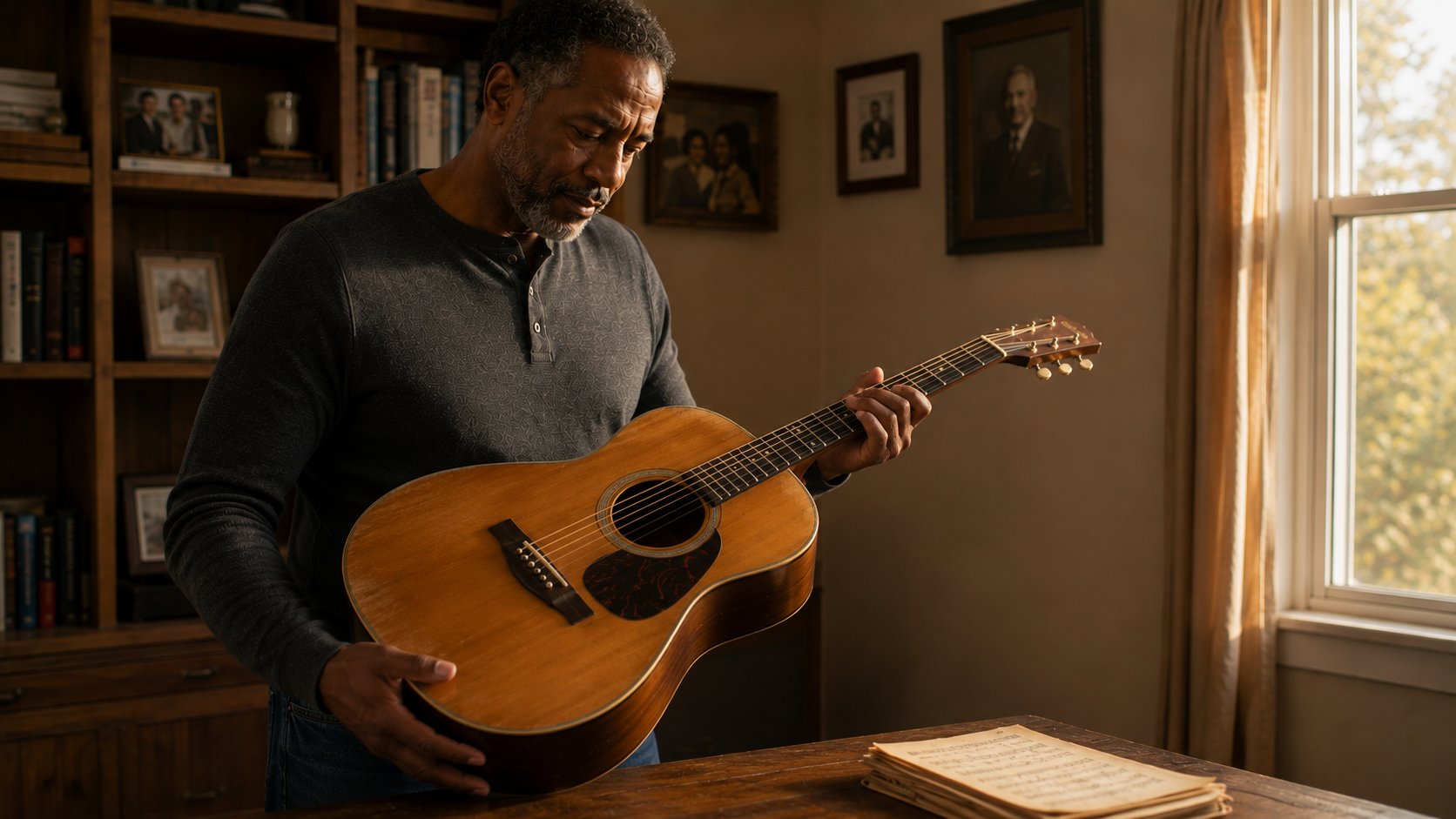
How to Restart Music Lessons After Years Away
A surprising number of adult students are not actually beginners. They’re returners. They played as kids, stopped sometime between middle school and college, and somewhere in their thirties, forties, or fifties decided to come back to the instrument they used to love. The skills they built decades ago are still there, mostly. They just need to be rediscovered.
Here’s what to expect when you restart music lessons, how to approach it, and why it’s usually easier than you think.
Why Returning Players Have a Real Advantage
Several pieces of good news for restarters:
Muscle memory is durable. Motor patterns built in childhood and adolescence persist in the body for decades. They may be rusty, but they’re not gone. Most returning players are shocked at how quickly their hands remember what to do.
Reading skills come back fast. If you read music as a kid, you can read music now. The reading might be slow at first, but the underlying ability returns in weeks, not months.
Ear training transfers. Whatever ear you developed as a young musician (pitch matching, interval recognition, harmonic awareness) is still there. It just needs to be reactivated.
Adult patience helps. As an adult, you can focus, accept slow progress, and self-direct in ways you couldn’t as a kid. This often makes returning learning faster than initial learning.
The combined effect: a returning player often reaches their old level within three to six months and then surpasses it within a year.
What’s Realistic in the First Few Weeks
What most returning players experience:
Week 1. Awkward, rusty, surprised at what’s missing. Hand positions feel weird. Reading is slow. You make beginner mistakes you don’t remember ever making. This is normal and brief.
Weeks 2-4. Things start coming back. Muscle memory clicks in. The instrument starts feeling like yours again. You realize how much was just below the surface, waiting to be activated.
Months 2-3. You’re approaching your old playing level. Pieces you used to know start coming back. New material gets learned faster than you expected.
Months 4-6. You’re at or past where you stopped. Now you’re in genuinely new territory. Adult-learner territory, which has its own rewards.
This timeline varies based on how long you played, how recently you stopped, and how much you practice now. But the pattern is consistent for almost all returning players.
What to Tell Your New Teacher
A good first lesson with a returning player includes some specific information-sharing. Be ready to talk about:
- What instrument(s) you played, and at what level.
- How long you played, and when you stopped.
- Why you stopped (this matters more than you think. It shapes what you might want to avoid this time).
- What styles you played (classical, jazz, pop, etc.).
- What you remember loving about playing.
- What you’d like to do with the instrument now.
This conversation usually takes 15-20 minutes of the first lesson and gives the teacher what they need to design your relearning sequence.
What to Expect to Have Lost
Some specific skills tend to atrophy faster than others:
- Technical speed. You’ll be slower than you were. This comes back with practice.
- Stamina. Your hands and arms get tired faster. Build back gradually.
- Pieces from old repertoire. Specific pieces fade. But you’ll be amazed how quickly they come back when you revisit them.
- Theory you used to know. Cognitive details often fade more than embodied skills. Expect to relearn some concepts.
What tends to stay:
- Reading ability. Comes back fast.
- General technique. Hand positions, posture, bow holds (for strings). These often return immediately.
- Musicality. Phrasing, dynamics, expression. These often deepen with age and life experience.
- Pitch and ear training. Surprisingly durable.
Common Restart Mistakes to Avoid
A few patterns that slow restarters down:
Comparing yourself to your teenage self. You’re not the same person. Your time, energy, and goals are different. Don’t try to match what you used to do. Discover what you can do now.
Going back to your old teacher’s methods if they weren’t right for you. Many adults restart with traumatic memories of strict childhood lessons. You can choose a different teaching approach this time. You’re not 12 anymore.
Trying to do too much too fast. The combination of memory of your old skill level and excitement about being back can lead to over-practicing and injury. Build gradually.
Avoiding lessons because “I should know this already.” Many returners feel embarrassed about needing a teacher for an instrument they used to play. Don’t. A teacher accelerates your relearning enormously.
Picking up the wrong instrument out of nostalgia. Sometimes the instrument you played as a kid isn’t actually the one you want as an adult. It’s okay to switch if the original choice wasn’t really yours.
What to Reach For
A few things that help returners get the most out of coming back:
Find pieces you used to love and want to play again. Working back through pieces you knew at 14 connects you to your past self while building current skill. The emotional resonance is part of the value.
Try music you couldn’t have appreciated as a kid. Adult ears hear music differently. Jazz, classical, contemporary composers: the repertoire that didn’t grab you at 16 might be exactly what grabs you now.
Set goals that match your actual life. Maybe you want to play a wedding for a friend. Maybe you want to perform at an open mic. Maybe you just want to relax with the piano in the evening. Specific goals give the work shape.
Join a community of other adult restarters. Online and in-person communities of returners exist for most instruments. The shared experience is meaningful.
How to Find a Teacher on Tunelark
Tunelark teachers are experienced with adult restarters specifically. To find your match:
1. Browse our teachers and filter by your instrument.
2. Read bios. Look for teachers who specifically mention working with returning players or adult restarts.
3. Book a trial lesson with one whose approach feels right.
4. After the trial, notice: did the teacher seem to take your history seriously and design a relearning approach for who you are now?
Restarting music lessons as an adult is genuinely one of the most rewarding things a former-young-musician can do. Most of what you built decades ago is still there. With a good teacher and a little patience for the rust, you’ll be playing again, and often playing better than you ever did before.
How to Find a Music Teacher on Tunelark
Every music teacher on Tunelark is vetted for credentials, teaching experience, and ability to teach effectively online. Our roster covers every common instrument plus voice, with teachers across classical, jazz, pop, contemporary, and beyond.
To find your match:
1. Browse our music teachers and filter by instrument, style, or student age.
2. Read bios carefully. Look for teachers whose described approach matches your goals.
3. Book a trial lesson with two or three teachers whose profiles resonate.
4. After each trial, notice: did the teacher feel curious about you and clear about what they’d work on next? Both signals matter more than credentials.
The best music teacher for you isn’t the most credentialed or the most popular. It’s the one whose teaching style and personality fit how you learn. Tunelark makes that match easier to find.
Frequently Asked Questions
How long will it take to get back to my old level?
Most returners reach their previous level within three to six months of weekly lessons and consistent practice. By the end of the first year, most are past where they stopped and into genuinely new territory.
Should I take lessons with my old teacher again?
Only if that teacher was the right fit for you originally. Many adults benefit from a fresh teacher whose approach better matches who they are now, not who they were at 14.
What if I don’t remember anything?
You remember more than you think. Restarting will reveal what’s still there. Reading, technique, and muscle memory return faster than you’d expect, often surprisingly so.
Can I switch instruments when I restart?
Absolutely. Many returners discover they actually want to play a different instrument as adults than the one they played as kids. Your musical foundation transfers, and the new instrument can renew the joy of learning.
Is it embarrassing to need a teacher again?
No. Many adult restarters benefit enormously from a good teacher. The teacher accelerates your relearning and helps you avoid bad habits. Neither of which has anything to do with whether you “should” know this already.
Keep reading
About Jennifer Heath
I'm Jennifer Heath, VP at Tunelark and a lifelong singer. I joined the company in 2020 and oversee much of what makes Tunelark work for our students and our teachers. That includes hiring, training, and supporting our instructors, customer and student support, marketing, and the day-to-day operations of the business.
I started voice lessons at age 7, sang with professional choirs that toured internationally through my teens, and performed solo at competitions and community events across Texas before stepping away in my twenties to study other interests, including business management. I haven't performed professionally in years, but I'll happily take the microphone at a karaoke night. Music has been in me every day of my life. Being able to spend the last six years working inside an online music education company, while traveling the world full-time, has been a perfect fit.
I believe deeply that music belongs in every life. For the self-expression, the discipline, the comfort, and the simple joy of it.
The Tunelark blog is where we share what we've learned about online music lessons: how to choose an instrument and a teacher, what to expect from your first lesson, how the major platforms compare, and how to keep music going through the busier seasons of life. Practical, honest writing you can act on.
Who we are
Tunelark provides virtual 1-on-1 music lessons to learners
of all ages.
We remove the barrier of geography and connect learners and teachers — wherever they are. Our growing community of vetted, experienced music educators have expertise in a wide variety of instruments, genres, and skill levels. We are passionate about connecting each student with the perfect instructor.

