
How Much Should You Practice Music? A Realistic Guide
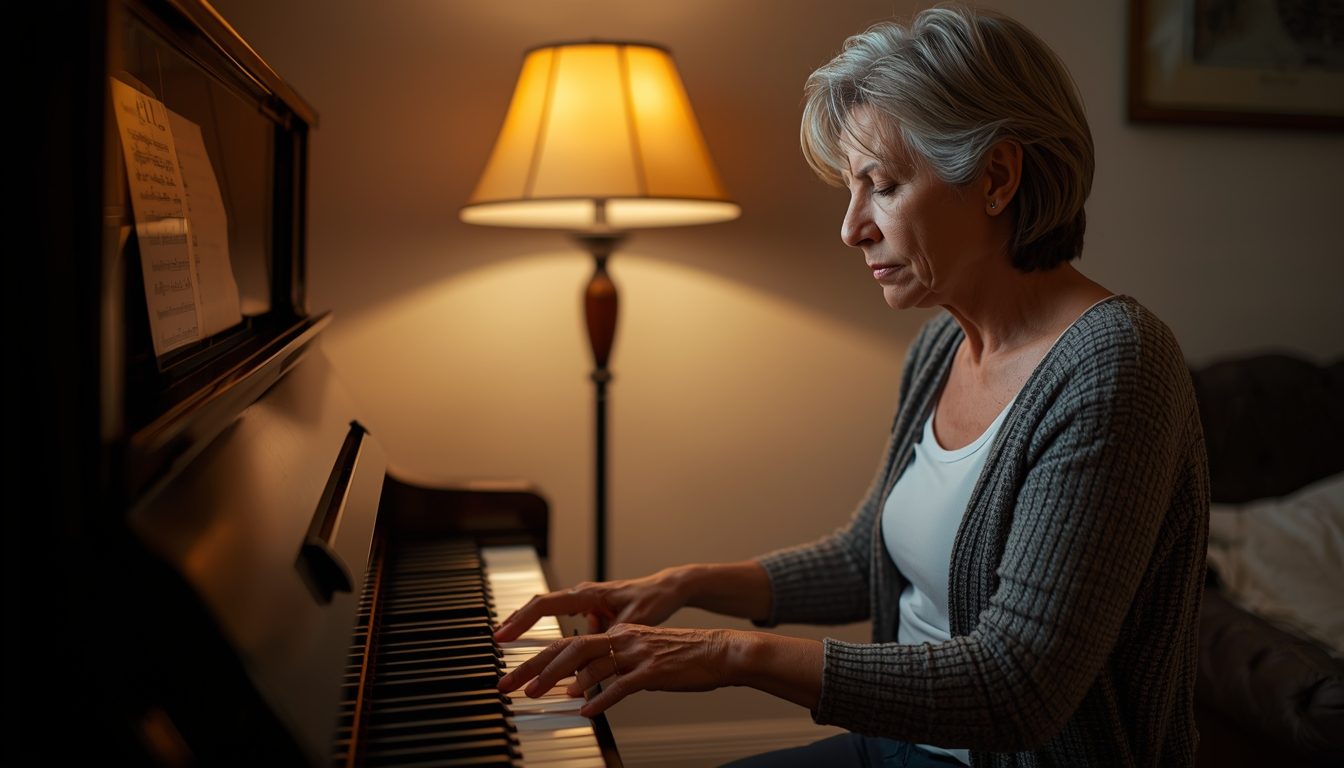
The honest answer: less than you think, but more consistently than you probably do. Research on skill acquisition consistently shows that frequency matters more than duration, 15 focused minutes every day produces better results than 90 minutes on the weekend. Here’s a realistic, evidence-based guide to how much you actually need to practice.

The Research on Practice and Progress
The most important finding from practice research is about consistency over volume. A 2014 meta-analysis in Psychological Science found that while deliberate practice explained a large portion of performance differences, the distribution of that practice over time was as important as the total hours. Daily practice builds motor memory and neural pathways more effectively than massed practice sessions.
The well-known “10,000 hours” concept from Anders Ericsson’s research is often misquoted. The key insight was that elite musicians practiced in structured, focused sessions with specific goals, not just that they logged hours.
Recommended Practice Time by Level
Beginners (first 6-12 months)
15-20 minutes per day, 5-6 days per week.
This is often a surprise. Most beginner students expect to need more. The reality is that in the first months of learning, your brain and hands are building new pathways and habits. More than 20 minutes of focused practice often produces diminishing returns, and sometimes reinforces bad habits when the student starts to fatigue.
What matters at this stage is showing up daily. Five consistent days of 15 minutes beats one 75-minute weekend session.
Intermediate students (1-3 years in)
30-45 minutes per day.
As technique develops, longer focused sessions become productive. At this stage, you have enough material to work on (scales, pieces, etudes, sight-reading) that 30-45 minutes can be filled with intentional, varied practice without grinding.
Advanced students (3+ years, serious goals)
1-2 hours or more per day, depending on goals.
Students working toward auditions, competitions, or professional-level playing need significantly more practice time. But the same principle applies. Quality and focus matter. An hour of fully attentive, goal-directed practice is worth more than three hours of unfocused run-throughs.
Adults with limited time
Many adult learners come to music lessons with packed schedules and realistic limits. This is not a problem. A focused 20 minutes every day will produce real progress. The mistake to avoid is doing nothing on busy days, even 10 minutes of focused work on one passage is worth doing.
Find a Teacher Who Fits Your Schedule
Quality vs. Quantity: What Productive Practice Looks Like
Not all practice time is equal. Playing through a piece from start to finish repeatedly is the least effective form of practice. Here’s what actually works:
Isolate problem spots
When you make a mistake, don’t just play the whole piece again. Stop at the problem, identify exactly what went wrong (wrong note? bad timing? technique issue?), and work on just that section. Play it slowly until it’s right, then gradually bring it up to speed.
Practice slowly
Slow practice is not a beginner technique. It’s how professionals solidify difficult passages. Playing slowly gives your brain time to process each movement correctly. Practicing fast before something is solid just cements mistakes.
Use a metronome
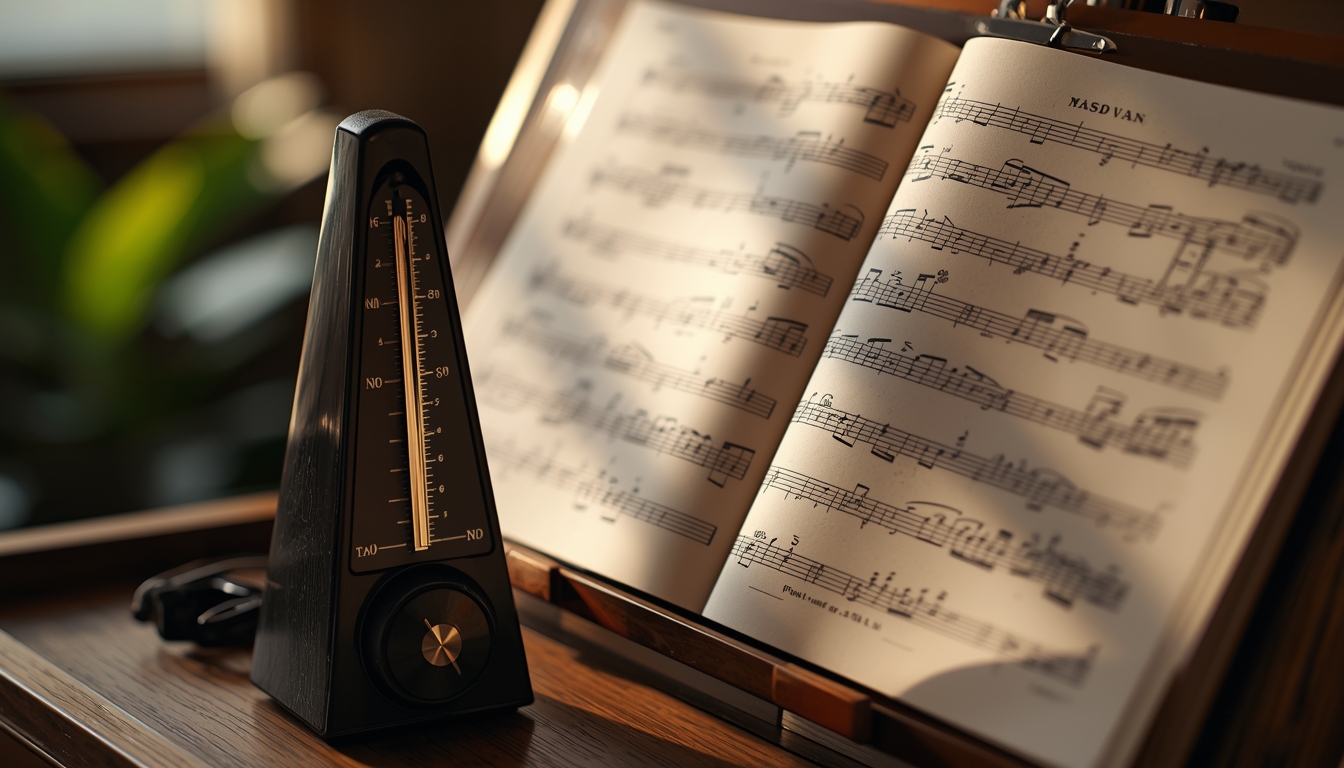
Timing is a fundamental skill that’s easy to neglect. Regular metronome practice builds internal rhythm and reveals timing inconsistencies you might not notice when playing freely.
Practice with intention
Before each session, know what you’re working on and what you want to achieve by the end. “Practice piano” is not an intention. “Work through bars 5-12 of the piece until I can play them cleanly at 80 BPM” is.
Making Practice a Habit: Practical Tips
- Same time, same place: Practice at the same time each day and your brain will start to expect it. Morning practice before other demands take over tends to have the highest consistency rate.
- Keep your instrument accessible: Instruments in cases in closets don’t get played. Keep yours out and in sight.
- Start with something easy: Begin with a warm-up or a passage you already know. Starting with something achievable builds momentum.
- Track your practice: A simple log of what you worked on and for how long creates accountability and makes progress visible.
- Tell your teacher the truth: If you only practiced twice this week, say so. Your teacher can help you figure out what’s getting in the way.
What Happens If You Miss Days
Missing practice days is normal, especially at the start. The mistake to avoid is guilt-spiraling and abandoning practice entirely after a bad week. One missed week doesn’t erase progress. Get back on track as soon as possible, and don’t try to compensate by cramming extra practice before a lesson. That rarely helps.
Start Learning With a Consistent Teacher
How to Find a Good Music Teacher on Tunelark
All the practice strategies in the world land harder when you have a teacher giving you direction. Many Tunelark teachers excel at structuring practice and keeping students accountable.
1. Browse our teachers and filter by your chosen instrument.
2. Read bios. Look for teachers who describe how they structure lessons and homework, not just what they teach.
3. Book a trial lesson with one whose profile resonates.
After the trial, ask yourself: did the teacher give you a clear, specific plan for the week, or vague encouragement?
All the practice habits in the world land better when you have a teacher who actually knows what to do with them.
Frequently Asked Questions
How many minutes a day should I practice music?
For beginners, 15-20 minutes of focused daily practice is more effective than occasional hour-long sessions. Intermediate students benefit from 30-45 minutes daily. Advanced students typically practice 1-3 hours or more, depending on their goals.
Is it better to practice every day or longer sessions a few times a week?
Daily practice is significantly more effective. Music learning relies heavily on motor memory and neural pathways that are reinforced by frequency, not just duration. Short daily sessions beat long infrequent ones.
What counts as productive practice?
Productive practice is focused, with a specific goal for each session. It involves identifying and isolating problem spots, working through them slowly, and gradually bringing them up to speed: not just playing through pieces from start to finish.
How do I know if I’m practicing enough?
If you’re consistently meeting your weekly practice goal and making progress on what your teacher assigned, you’re practicing enough. If you’re going into lessons having barely touched your instrument, you’ll plateau.
Can you practice too much?
Yes, especially for young students or those prone to physical tension. Quality and consistency matter more than raw hours. Signs of over-practice include physical fatigue, tension, or frustration. Take breaks and stop if anything hurts.
Keep reading
About Jennifer Heath
I'm Jennifer Heath, VP at Tunelark and a lifelong singer. I joined the company in 2020 and oversee much of what makes Tunelark work for our students and our teachers. That includes hiring, training, and supporting our instructors, customer and student support, marketing, and the day-to-day operations of the business.
I started voice lessons at age 7, sang with professional choirs that toured internationally through my teens, and performed solo at competitions and community events across Texas before stepping away in my twenties to study other interests, including business management. I haven't performed professionally in years, but I'll happily take the microphone at a karaoke night. Music has been in me every day of my life. Being able to spend the last six years working inside an online music education company, while traveling the world full-time, has been a perfect fit.
I believe deeply that music belongs in every life. For the self-expression, the discipline, the comfort, and the simple joy of it.
The Tunelark blog is where we share what we've learned about online music lessons: how to choose an instrument and a teacher, what to expect from your first lesson, how the major platforms compare, and how to keep music going through the busier seasons of life. Practical, honest writing you can act on.
Who we are
Tunelark provides virtual 1-on-1 music lessons to learners
of all ages.
We remove the barrier of geography and connect learners and teachers — wherever they are. Our growing community of vetted, experienced music educators have expertise in a wide variety of instruments, genres, and skill levels. We are passionate about connecting each student with the perfect instructor.

