
The Complete Guide to Learning Piano Online
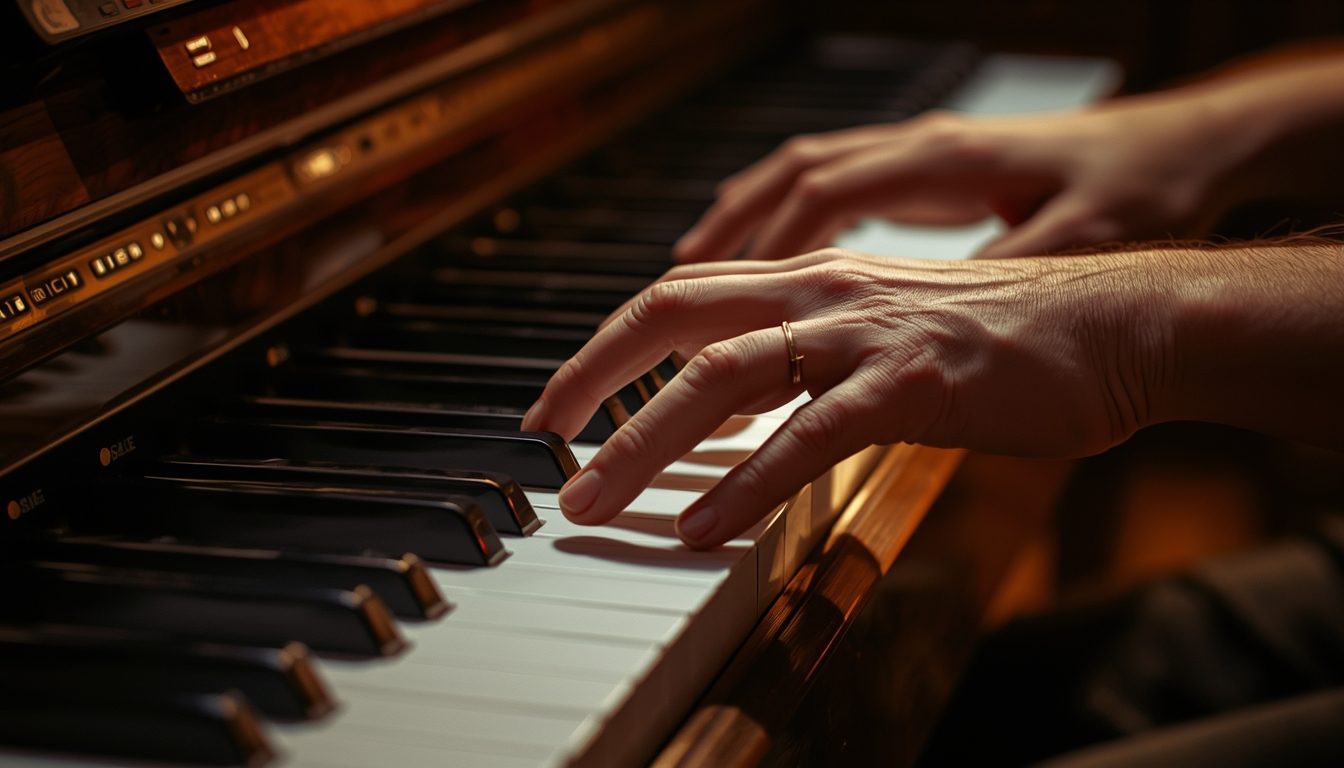
Learning piano online is entirely possible, and for many students, it’s the most practical and effective option available. This guide covers everything you need to know: what equipment you need, how to find the right teacher, what to expect as you progress, and how to make it work long-term.
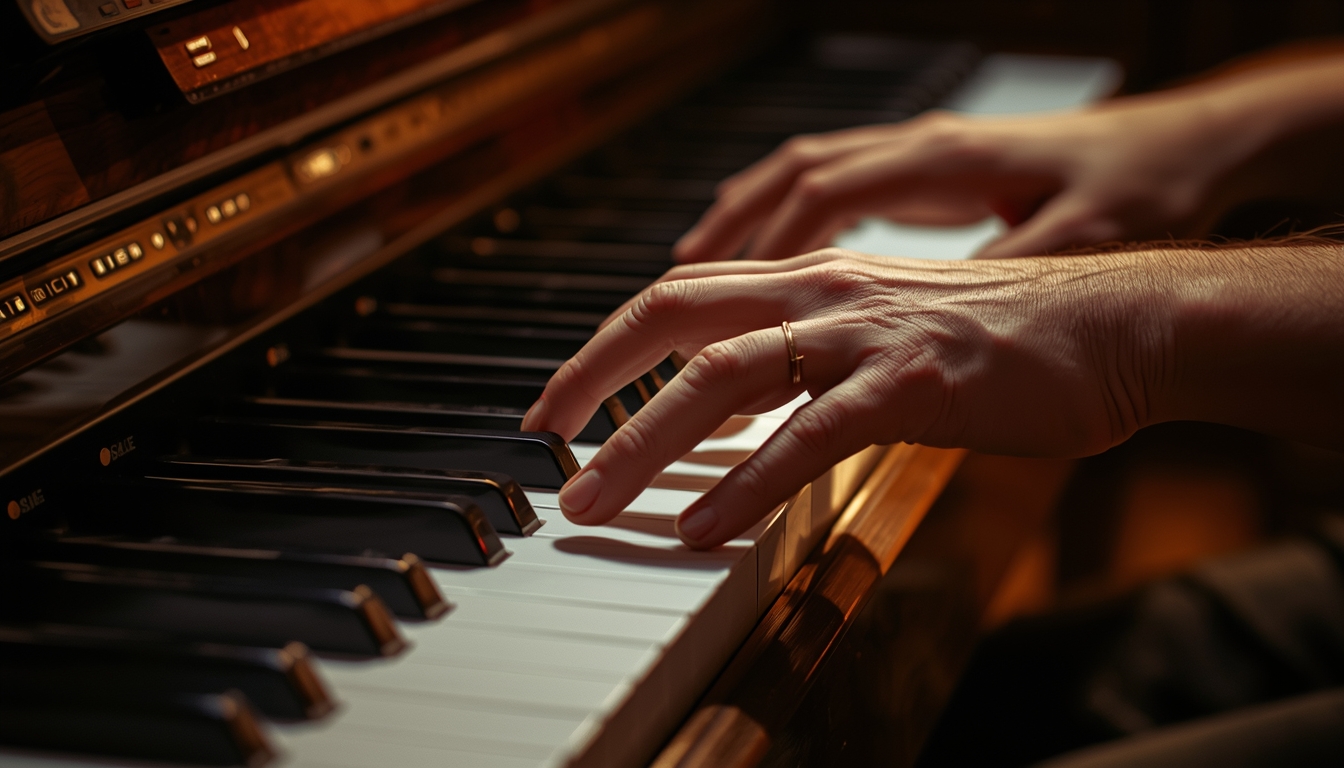
Is Online Piano Learning Right for You?
Online piano lessons work well for the vast majority of students. The instrument is visually clear on camera, both hands, finger placement, and keyboard navigation are easy for a teacher to observe and correct. Tone, touch, and timing are all fully audible. Research consistently shows that outcomes for online piano students are comparable to in-person, when teacher quality is held constant.
The main consideration is your equipment, specifically your keyboard or piano. More on that below.
What Equipment You Need
The instrument
You don’t need an acoustic grand piano to start, but you do need a keyboard with weighted keys. Here’s a practical guide:
- Weighted 88-key digital piano: The best option for learners. Brands like Yamaha, Roland, and Casio make solid entry-level options in the $400-700 range. Weighted keys train your fingers for real piano touch.
- Weighted 61-key keyboard: Acceptable for absolute beginners; becomes limiting once you start playing repertoire that spans the full keyboard.
- Unweighted keyboard: Fine for learning the notes and basic concepts in the very beginning, but it won’t train proper finger technique. Plan to upgrade.
- Acoustic piano: Excellent, obviously. If you have one, use it.
Ask your teacher for a recommendation based on your budget before buying, they’ll know what’s suitable for the level you’re starting at.
Your setup for online lessons
- A stable internet connection
- A device with a working camera: positioned to show your hands and keyboard clearly
- A quiet space with decent lighting
- A music stand or way to hold sheet music/display notation

How Piano Learning Progresses
Months 1-3: Foundations
In the first few months, you’re building the physical and musical foundations everything else depends on. This means: correct posture and bench height, hand position, reading music in both treble and bass clef, basic finger independence, and your first simple pieces.
Progress in this stage can feel slow. You’re building neural pathways, not just memorizing notes. Students who push through the first few months consistently almost always find that things start to click.
Months 3-12: Building Technique and Repertoire
With the basics in place, this stage is about expanding what you can do. You’ll work on scales, simple arpeggios, more complex pieces, and start to develop hand independence, the ability to play different rhythms and patterns simultaneously in each hand.
This is the stage where consistent weekly lessons and daily practice pay the most dividends. Students who practice 15-20 minutes daily progress noticeably faster than those who only play before lessons.
Year 1-3: Intermediate Playing
By the end of the first year, most consistent students can play recognizable pieces with both hands, have a basic understanding of music theory, and are building a practice routine that sustains itself. Years two and three open up significantly more repertoire (classical pieces, pop arrangements, jazz voicings) depending on your interests.
Beyond: The Long Game
Piano is a lifetime instrument. There is always more to learn, regardless of your level. Many students find that reaching intermediate proficiency is where the instrument becomes truly enjoyable. The technical demands are manageable and the musical options open up. See our guide on how much to practice for realistic expectations at each stage.
Choosing Your First Piano Teacher
The most important decision you’ll make as a piano student is choosing your teacher. A great teacher structures lessons for your goals, gives specific technical feedback, assigns practice that’s achievable but challenging, and makes you look forward to lessons.
On Tunelark, you can browse piano teachers, read their bios, watch intro videos, and book a trial lesson at a reduced rate. The trial is a real lesson (not a sales call) and gives you a clear sense of fit before committing.
- For beginners: Look for teachers with experience working with beginners specifically, not just performers who also teach.
- For classical goals: Look for teachers with conservatory training or ABRSM/RCM experience.
- For jazz or pop: Find a teacher who specializes in those styles, classical pedagogy and jazz pedagogy are genuinely different.
- For children: Find a teacher with specific experience in your child’s age range and a playful, patient communication style.
Common Mistakes to Avoid
- Practicing too fast too soon: Playing pieces at full tempo before they’re solid just cements mistakes. Practice slowly, then gradually build speed.
- Skipping scales and exercises: They’re not exciting, but they build the finger independence and muscle memory that make everything else easier.
- Learning only with videos and apps: Apps and YouTube can supplement but not replace a teacher. The technique corrections that prevent long-term bad habits require an experienced eye.
- Waiting until you’re “ready” to take lessons: There is no readiness prerequisite. Start lessons at the beginning. That’s what they’re for.
- Comparing your progress to others: Piano progress varies enormously between individuals. Focus on your own trajectory.
How to Find a Piano Teacher on Tunelark
When you’re ready to start lessons, the right teacher is what turns intention into consistent progress. Many Tunelark teachers specialize in exactly the kind of student you are.
1. Browse our teachers and filter by piano.
2. Read bios. Look for teachers whose profile resonates with your specific goals. Generic bios are a yellow flag.
3. Book a trial lesson with one whose profile resonates.
After the trial, ask yourself: did the teacher seem genuinely interested in your goals, or were they running through a generic curriculum?
The right teacher changes everything. The trial lesson is there to find them.
Frequently Asked Questions
Can you really learn piano online from scratch?
Yes. Many students have started piano with zero experience and progressed through years of lessons entirely online. The key requirements are a consistent teacher, a playable instrument or keyboard, and regular practice between sessions.
Do I need a real piano or will a keyboard work?
A keyboard with weighted, full-size keys (88 keys ideally) is sufficient for learning piano. The key is weighted action. It trains your fingers for the touch sensitivity that piano playing requires. Unweighted keyboards can work for absolute beginners but become limiting quickly.
How long does it take to learn piano?
You can play simple songs within weeks. Playing intermediate repertoire takes 1-2 years of consistent study. Advanced playing is a lifelong pursuit. Progress depends primarily on practice consistency, not natural talent.
How much does it cost to learn piano online?
Online piano lesson rates vary widely by teacher and platform. On Tunelark, rates depend on the teacher’s experience and background. Trial lessons are available at a reduced rate so you can evaluate fit before committing.
What age is best to start learning piano?
Piano can be started as young as age 4-5 with the right teacher, and there is no upper age limit. Adult beginners are extremely common and make excellent progress. The idea that you have to start as a child to succeed is a myth.
Should I learn to read music when learning piano?
Reading music opens up significantly more repertoire and makes learning new pieces faster. Most piano methods incorporate reading from the beginning. That said, some students start with a focus on playing by ear or learning specific songs, and add reading skills later.
Keep reading
About Jennifer Heath
I'm Jennifer Heath, VP at Tunelark and a lifelong singer. I joined the company in 2020 and oversee much of what makes Tunelark work for our students and our teachers. That includes hiring, training, and supporting our instructors, customer and student support, marketing, and the day-to-day operations of the business.
I started voice lessons at age 7, sang with professional choirs that toured internationally through my teens, and performed solo at competitions and community events across Texas before stepping away in my twenties to study other interests, including business management. I haven't performed professionally in years, but I'll happily take the microphone at a karaoke night. Music has been in me every day of my life. Being able to spend the last six years working inside an online music education company, while traveling the world full-time, has been a perfect fit.
I believe deeply that music belongs in every life. For the self-expression, the discipline, the comfort, and the simple joy of it.
The Tunelark blog is where we share what we've learned about online music lessons: how to choose an instrument and a teacher, what to expect from your first lesson, how the major platforms compare, and how to keep music going through the busier seasons of life. Practical, honest writing you can act on.
Who we are
Tunelark provides virtual 1-on-1 music lessons to learners
of all ages.
We remove the barrier of geography and connect learners and teachers — wherever they are. Our growing community of vetted, experienced music educators have expertise in a wide variety of instruments, genres, and skill levels. We are passionate about connecting each student with the perfect instructor.

