
How to Tell if Your Child Wants to Quit Music — or Just Hates Practice
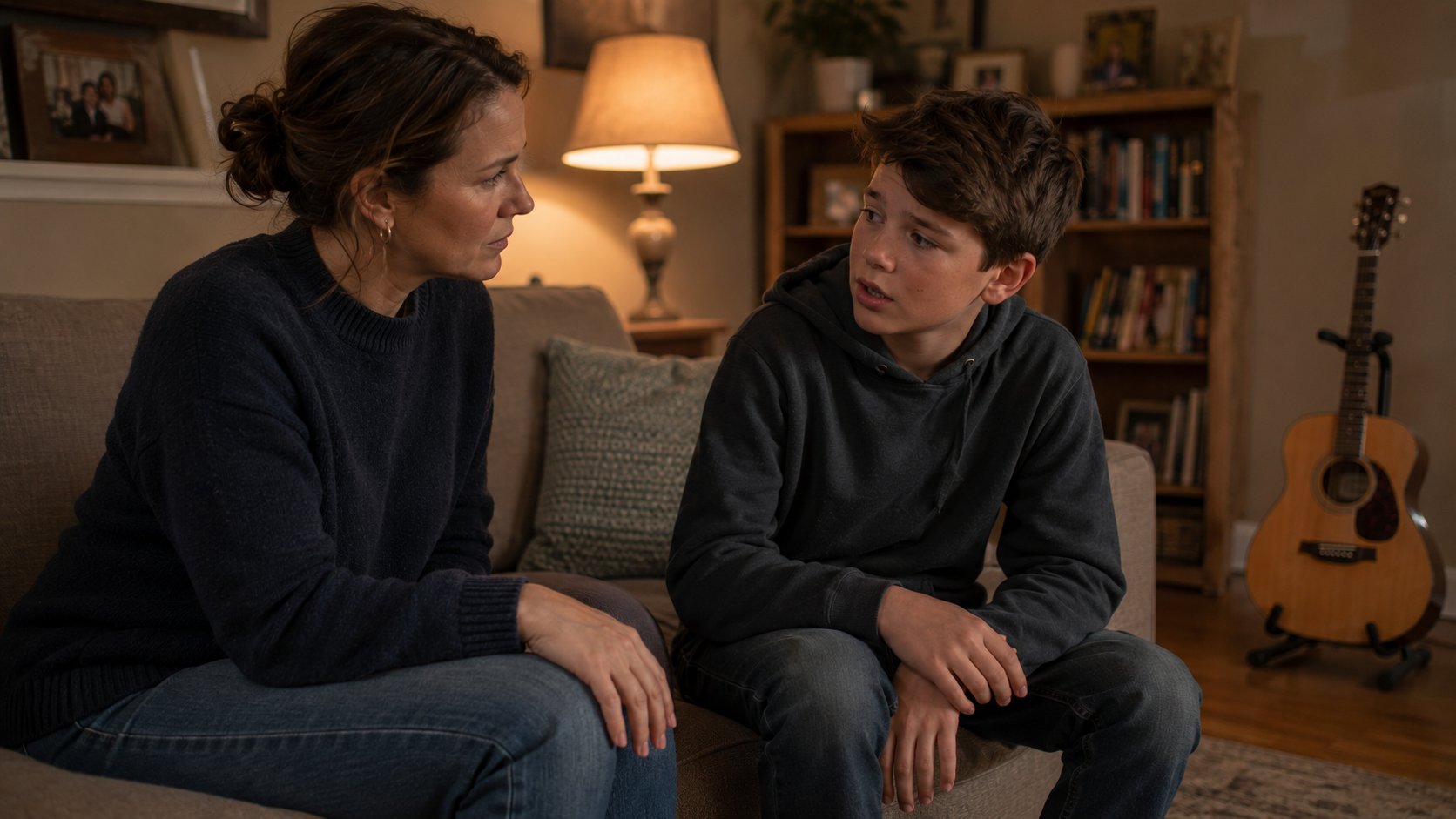
How to Tell if Your Child Wants to Quit Music, or Just Hates Practice
Most kids say they want to quit music at some point. Most parents take that statement at face value and either let them quit too soon or push too hard to keep them going. Both responses miss what’s actually being communicated.
Here’s a practical framework for figuring out what your child is really saying and what to do about it.
The Two Different Things Kids Mean
When a child says “I want to quit,” they almost always mean one of two things:
“I don’t like practicing right now.” This is the more common message. The child enjoys lessons, likes their teacher, and may even play voluntarily for fun, but daily practice feels like a chore. They’re not quitting the instrument; they’re protesting the workload.
“I genuinely don’t want to do this anymore.” Less common but real. The child dislikes lessons, dreads playing, and the relationship with the instrument has soured. This is a different problem requiring a different response.
The work is in figuring out which one your child means.
Diagnostic Questions
A few questions that help distinguish the two:
“Do you like your teacher?” If yes, the issue is probably practice, not music. If no, the teacher fit might be the actual problem.
“What part of practice is hardest?” Specific complaints (“I can’t get the rhythm in that section”) point to fixable issues. Vague complaints (“it’s just boring”) often signal motivation issues with a specific cause underneath.
“If you could play any song, what would it be?” A child who can answer this still loves music. The question is just engagement.
“What would make practice feel better?” Listen to the answer. Sometimes it’s surprisingly actionable (“if I could practice in the morning instead of after homework”).
“Do you want to keep playing music, just not this much?” This question gives them permission to want both things, music in their life and less practice pressure. Many kids genuinely want this and don’t know they’re allowed to ask for it.
What “Hating Practice” Usually Means
Most practice resistance comes from a small number of causes:
The work is unclear. The child doesn’t know what to do or how. Vague instructions from teachers create overwhelm.
The duration feels too long. 30 minutes looks like forever to a 7-year-old. Breaking it into shorter sessions usually fixes this.
There’s no concrete completion. Open-ended practice grinding without clear stopping points is exhausting. Specific goals (“play this section three times perfectly, then you’re done”) work better.
Life is competing. Tiredness, hunger, dysregulation, sibling drama, school stress: kids are not always emotionally available for practice. Practice time should be flexible enough to work around real life.
The current piece is too hard or too easy. Both create resistance. Talk to the teacher about repertoire match.
Fix any of these and practice resistance often dissolves.
What “Wanting to Quit Music” Usually Means
When the issue is deeper than practice, common causes:
Wrong teacher fit. Some teachers are excellent with some children and wrong for others. A bad fit can poison the entire experience of an instrument.
Wrong instrument fit. Some children fall in love with the idea of one instrument but discover they don’t connect with playing it. Switching instruments can renew love of music.
Burnout from over-scheduling. Children carrying too many activities can lose engagement with all of them. Music is often the first to feel optional. Sometimes the right move is reducing overall load.
Identity shift. As kids grow, they renegotiate identity. The instrument they loved at 8 may not fit who they’re becoming at 12. This isn’t failure. It’s development.
Genuine preference. Some children simply don’t love the instrument they’re studying, and their developmental signal is to move on. Forcing music on a child who’s truly done usually backfires.
A Workable Decision Framework
When your child says they want to quit:
1. Don’t decide immediately. Tell them you want to talk about it but not today. This creates space for reflection rather than reactive choices.
2. Talk to the teacher. Most teachers have seen quit-thoughts dozens of times and can offer useful perspective. They may know the underlying cause.
3. Run the diagnostic questions. Distinguish practice-resistance from music-resistance.
4. Address fixable causes first. New teacher? Different repertoire? Shorter practice? Different time of day? Many quit-thoughts dissolve with small adjustments.
5. Consider a structured pause, not a permanent quit. Three months off, then revisit, is often the right answer when you can’t tell what’s going on. Many kids return to lessons after a pause with renewed enthusiasm.
6. If they still want to stop after addressing causes and pausing, respect it. Forcing music on a child who’s genuinely done damages the long-term relationship with both music and you.
When Pushing Through Is Right
A few situations where gentle pushing makes sense:
- The child is in a temporary hard phase (a new piece, a hard concept) but otherwise engaged.
- They’ve made measurable progress recently that you can name.
- The teacher reports the child is on the verge of a breakthrough.
- Life stress (a move, divorce, school transition) is temporarily affecting motivation.
The signal is that the issue is situational, not fundamental.
When Letting Them Stop Is Right
A few situations where stopping is the right call:
- The child has dreaded lessons consistently for months, not weeks.
- Multiple causes have been addressed (teacher change, repertoire change, shorter practice) without improvement.
- The child can articulate genuine reasons that aren’t about practice mechanics.
- The relationship between child and instrument has visibly soured beyond repair.
Stopping doesn’t have to be permanent. Many children return to music years later (often more deeply) when it’s their own choice rather than their parents’.
How to Find a Music Teacher on Tunelark
If you’re navigating a quit-thought situation and considering whether a different teacher might help:
1. Browse our teachers and filter by your child’s instrument.
2. Read bios. Look for teachers who write about engagement, motivation, and what to do when students struggle.
3. Book a trial lesson with one whose approach resonates.
4. Sometimes a new teacher with a different style is exactly what unsticks the situation.
The decision of whether to keep going or stop isn’t one-size-fits-all. With the right diagnostic questions and a willingness to address causes, most quit-thoughts turn out to be solvable problems, and the kids who push through end up grateful, decades later, that their parents helped them stay with it.
Frequently Asked Questions
How do I tell if my child genuinely wants to quit or just doesn’t like practice?
Ask the diagnostic questions above. If they like their teacher and would still want to play music in some form, the issue is probably practice. If they dread the whole experience and don’t want music in their life, that’s a genuine quit signal.
Should I make my child finish a year before letting them quit?
Sometimes useful, but not as a rigid rule. A “let’s finish through recital season” agreement can give the situation room to evolve. Forcing through clear unhappiness doesn’t help anyone.
What if I let them quit and they regret it later?
Many adults wish their parents had pushed them to keep playing. Many other adults are grateful their parents let them stop when they were truly done. Neither outcome is guaranteed. Trust your read of your specific child.
Will switching instruments help?
Often yes. A child who’s lost interest in piano may light up at guitar. The musical foundation transfers, and the renewed enthusiasm can sustain years of progress.
How long should I wait before making the decision?
A few weeks of conversation, teacher consultation, and addressed causes. Reactive same-day decisions usually don’t serve anyone well. Neither does months of unhappy lessons while you stall.
Keep reading
About Jennifer Heath
I'm Jennifer Heath, VP at Tunelark and a lifelong singer. I joined the company in 2020 and oversee much of what makes Tunelark work for our students and our teachers. That includes hiring, training, and supporting our instructors, customer and student support, marketing, and the day-to-day operations of the business.
I started voice lessons at age 7, sang with professional choirs that toured internationally through my teens, and performed solo at competitions and community events across Texas before stepping away in my twenties to study other interests, including business management. I haven't performed professionally in years, but I'll happily take the microphone at a karaoke night. Music has been in me every day of my life. Being able to spend the last six years working inside an online music education company, while traveling the world full-time, has been a perfect fit.
I believe deeply that music belongs in every life. For the self-expression, the discipline, the comfort, and the simple joy of it.
The Tunelark blog is where we share what we've learned about online music lessons: how to choose an instrument and a teacher, what to expect from your first lesson, how the major platforms compare, and how to keep music going through the busier seasons of life. Practical, honest writing you can act on.
Who we are
Tunelark provides virtual 1-on-1 music lessons to learners
of all ages.
We remove the barrier of geography and connect learners and teachers — wherever they are. Our growing community of vetted, experienced music educators have expertise in a wide variety of instruments, genres, and skill levels. We are passionate about connecting each student with the perfect instructor.

